

In the realm of architecture, the interplay between natural light and architectural design is not just an artistic consideration; it is a essential aspect of enhancing energy efficiency, occupant comfort, and overall wellness. Analyzing daylight has emerged as an important field that allows architects to utilize the power of sunlight in their projects. By applying detailed methods and advanced simulation tools, architects can evaluate how daylight interacts with buildings seasonally, optimizing spaces for both practical use and sustainable practices.
As we investigate the multiple dimensions of daylight analysis, we will delve into its fundamental concepts, the tools accessible for precise simulations, and its significant role in achieving accreditations like Leadership in Energy and Environmental Design and BREEAM. This thorough guide aims to prepare modern architects with the knowledge and skills needed to efficiently incorporate daylight analysis into their design processes. Whether it is comprehending the differences between daylight factor and spatial daylight autonomy, or understanding how to balance natural light with thermal performance, this article is set to emphasize the vital contributions of daylight analysis in creating healthier, more efficient in energy use environments.
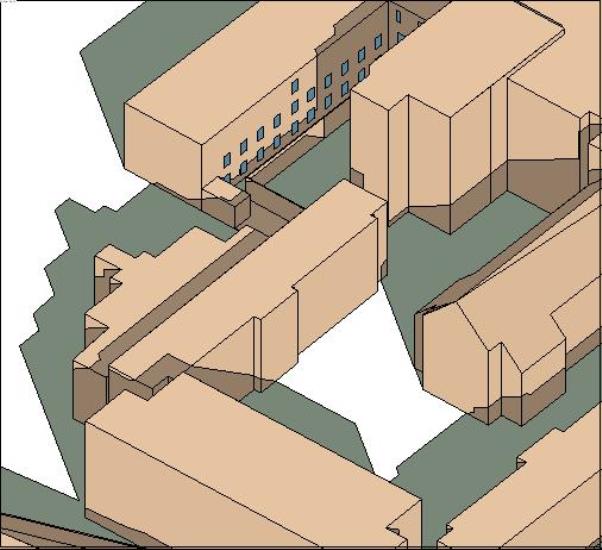
Grasping Daylight Analysis
Daylight assessment is a critical process in building design that analyzes how sunlight interacts with structures. It focuses on measuring the amount and quality of daylight accessible in different areas, which can significantly impact both the functionality and aesthetics of indoor settings. By replicating sunlight patterns throughout the year, architects can more effectively understand how natural light penetrates a space at different times, ensuring that designs maximize daylight while minimizing glare and excessive heat gain.
One primary goal of daylight analysis is to improve energy conservation in buildings. By leveraging on natural light, architects can reduce reliance on man-made lighting, resulting to lower utility expenses and reduced carbon emissions. Understanding concepts such as light factor and daylight autonomy is essential, as they supply metrics to evaluate how effectively a space is lit by natural sunlight. This data not only helps in meeting energy codes but also aids sustainable architectural practices that are increasingly important in modern architecture.
Moreover, incorporating daylight assessment into the early stages of planning offers numerous advantages. It enables architects to make thoughtful choices about window locations, building positioning, and material choices. This strategic approach contributes to wellness-oriented living and professional environments, greatly affecting occupants' well-being and efficiency. By Daylight Analysis Glastonbury Somerset , architects can create areas that foster improved mental health and comfort, making natural light analysis an critical resource in modern architectural work.
Efficiency of Energy and Daylight Analysis
In the search for sustainability, planners are increasingly turning to the analysis of daylight as a important tool to optimize energy efficiency in business structures. By utilizing natural light, designers can significantly reduce reliance on man-made lighting, leading to lower energy consumption and improved occupant comfort. Daylight analysis aids in evaluating the amount of daylight that enters a space, enabling designers to plan optimally placed windows and skylights that maximize natural light while minimizing energy costs.
Incorporating the analysis of daylight early in the design process allows designers to design spaces that balance daylight and energy performance. The meticulous evaluation of daylight factors leads to informed decisions regarding the ratio of windows to walls and choices of glazing, which directly impact both heat and cooling needs. Through this approach, designers can achieve optimal daylighting while mitigating potential glare issues, ensuring a comfortable environment for occupants and fostering energy efficiency in the overall design of the building.
The long-term benefits of applying effective daylight analysis extend beyond short-term energy savings. By improving natural light access, buildings not only create better and more efficient spaces but also contribute to lower carbon footprints. As the cost of energy continue to rise, the ROI associated with daylight analysis becomes increasingly persuasive, making it an essential consideration for designers focused on sustainable design solutions in commercial architecture.
Tools and Methods for Daylight Simulation
In the field of daylight assessment, a range of instruments can be found that meet to different aspects of simulation requirements. Radiance software is one of the most commonly used software programs, known for its great degree of precision in rendering light and shadow conditions in architectural spaces. Daylight Analysis Yeovil Somerset makes use of physically-based methods to model daylight and can analyze complex geometries. ClimateStudio, on the other hand, provides an accessible interface that enables users to conduct daylight simulations as part of an comprehensive building performance approach, making it usable for architects who may not have deep technical expertise in modeling software.
Another option, Insight, as an extension of Autodesk Revit, allows architects to carry out daylight analysis directly within their design environment, offering a smooth transition from design to simulation. By integrating daylight metrics into the modeling process, Insight helps in improving natural light and meets with sustainability goals. Additionally, it provides informative visualizations and performance metrics that support in design decision-making. The key to effective daylight simulation is picking the appropriate tool based on the project requirements, considering factors like user proficiency and desired output.
Apart from software tools, techniques such as Climate-Based Daylight Modeling (CBDM) have emerged as important methodologies for conducting thorough daylight analysis. CBDM analyzes daylight access year-round, enabling the evaluation of visual comfort and energy performance across multiple seasons. Combining CBDM with strategies like using light shelves, improving window-to-wall ratios, and incorporating dynamic shading solutions boosts the general effectiveness of daylight analysis. By leveraging these tools and techniques, architects can create designs that not only harness natural light but also contribute to more sustainable living environments.