

Hiring the right flooring contractor can have all a difference in transforming a space into a stunning and practical environment. Whether Topographic Surveys Stroud Green are starting a business renovation or constructing new, understanding the details of flooring installations is important. This guide aims to reveal the essential knowledge you need to make informed decisions, ensuring your project runs successfully and fulfills your design and architectural requirements.
With so many options to choose from, ranging from materials to techniques, maneuvering in this field can be overwhelming. From luxurious hardwood finishes to the intricacies of subfloor preparation, knowing the right questions and what to look for in a contractor is key. This article will discuss critical questions to ask before hiring a flooring contractor, the significance of material selection, and the common pitfalls in commercial projects. By equipping yourself with the right information, you can set the stage for a successful flooring endeavor that harmonizes durability, design, and cost-effectiveness.
Essential Inquiries for Hiring Flooring Contractors
When considering contracting a flooring contractor, it's crucial to inquire the correct questions to ensure you're making an wise decision. Start by asking about the contractor's expertise and qualifications. How long have they been in the business? Are they certified and insured? Understanding their background can provide you with clarity into their expertise and reliability. You may also want to ask for testimonials from past clients to measure their contentment with the contractor's work.
Another key aspect to explore is the contractor's strategy to project management and updates. How do they handle scheduling and timeframes? What protocols do they have in place for keeping clients aware throughout the project? Effective communication can prevent issues and confirm that your project stays within scope. Additionally, find out about how they address potential problems that may arise during the installation process.
Finally, assess the contractor's methods for choosing materials and quality assurance. Ask them to elaborate how they select the materials used for flooring installations and how they ensure compliance with best practices. Understanding their material acquisition process can help you assess the durability and look of the finished project. Furthermore, ask about their inspection measures to ensure the installation aligns with your standards and endures the test of time.
Key Techniques for Flooring Preparation
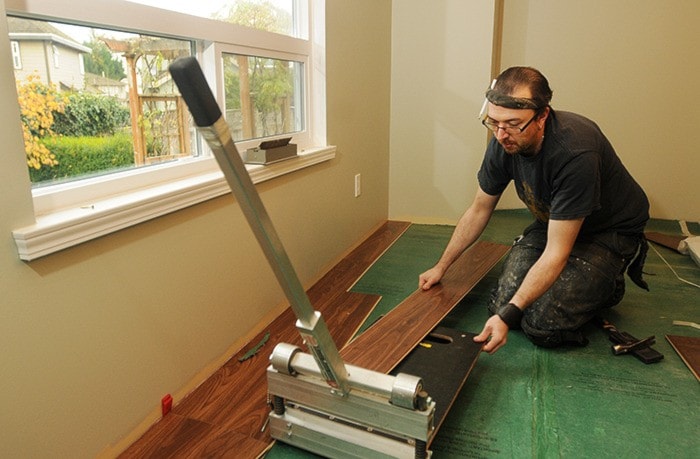
Adequate flooring preparation is vital to securing a effective installation that enhances the durability and look of the finished floor. One of the primary techniques involves analyzing and mitigating moisture issues. Before any flooring material is set, it is important to examine the subfloor for moisture levels to eliminate potential harm and failure in the flooring system. High-end contractors typically employ advanced moisture testing systems that provide reliable readings, allowing them to take necessary actions such as using moisture barriers or picking suitable materials that can tolerate higher humidity.
Another significant technique is smoothing the subfloor. A truly level surface is key for any flooring installation, especially in commercial settings where visual and functional expectations are high. Techniques such as self-leveling compounds can be utilized to create a flat surface, addressing any dips, bumps, or inconsistencies. This process confirms that the flooring material adheres properly and minimizes the risk of future issues such as warping or cracking, which can happen from an uneven base.
Lastly, adequate cleaning and preparation of the subfloor surface cannot be overlooked. This involves clearing any debris, dust, old adhesives, or defects that could disturb with the installation process. Thorough cleaning not only promotes better adhesion but also assists in spotting any structural issues that may need to be resolved prior to installing new flooring. By applying these essential techniques, flooring contractors can lay the groundwork for a successful and aesthetically pleasing installation.
Evaluating Design and Longevity in Flooring Projects
While choosing flooring for a project, aesthetics and sturdiness are often the key considerations. A flooring material contractor should harmonize both these aspects, making sure that the picked materials not only enhance the visual appeal of the environment but also tolerate the wear and tear of daily use. The right combination of shades, patterns, and finishes can alter an area, causing it crucial to evaluate samples in the real lighting conditions of the environment. A skilled contractor will offer a range of options that meet both design requirements and practical requirements.
Longevity is particularly vital in frequent areas, where flooring must endure constant use and potential damage from equipment and appliances. Topographic Surveys Whetstone should be well-informed about the durability of various materials and their fitness for particular applications. For instance, while certain wood types may provide stunning aesthetics, they may not function well in conditions with high moisture levels. Comprehending the science behind material selection can help contractors advise on suitable products that fulfill both design and durability standards.
An appropriate way to evaluate a contractor's ability to combine visual appeal with longevity is by inspecting their body of work. This review should concentrate not only on visual appeal but also on how well these finished surfaces have performed over time. With meticulous examination, potential clients can evaluate a contractor’s skill in attaining a balanced blend of aesthetics and performance, confirming that their flooring choice will continue both beautiful and usable for an extended period to come.